Specializations
Advanced Neurobiological Treatment for Substance Dependence
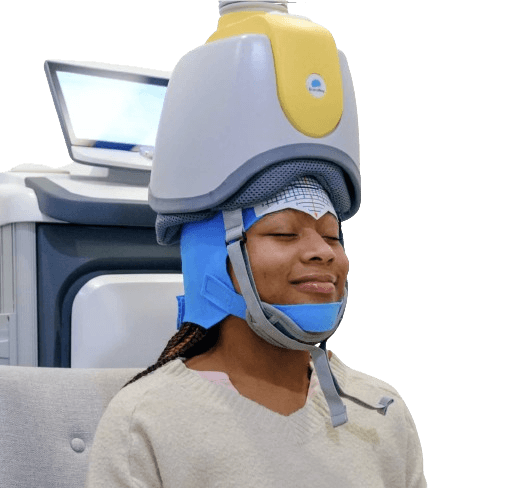
When conventional addiction treatment hasn’t led to lasting recovery, specialized interventions may be worth exploring. BrainStim Health offers Ketamine-Assisted Psychotherapy and Deep TMS as part of an individualized assessment process for substance use and concurrent mental health conditions.
Both are considered adjunctive or emerging approaches for substance use, and your clinical team will discuss what evidence applies to your situation.
Led by Dr. Venu Karapareddy, Diplomat of the American Board of Addiction Medicine, our integrated approach treats both addiction and underlying psychiatric conditions simultaneously.

Compassionate
Understanding Addiction as a Neurobiological Condition
Addiction fundamentally changes brain function. Whether involving alcohol, opioids, stimulants, cannabis, or behavioral addictions, the pattern is similar: substances or behaviors that once produced pleasure now maintain baseline functioning, while their absence creates unbearable discomfort.
Key neurobiological changes:

Reward System Dysregulation
Repeated substance use floods your brain with dopamine, eventually dampening natural reward response. Activities that used to bring pleasure no longer register - only the substance provides relief.
Stress System Activation
Your brain's stress response becomes hyperactive. Without the substance, anxiety and dysphoria become overwhelming - driving continued use just to feel normal.
Prefrontal Cortex Impairment
The brain region responsible for decision-making, impulse control, and long-term planning becomes compromised. You can simultaneously want to quit and be unable to stop.
Memory Consolidation
Your brain forms powerful associations between substance use and relief. Triggers - people, places, emotions, times of day - create cravings that feel impossible to resist.
Concurrent Disorders: The Hidden Factor
Approximately 50% of people with substance use disorders also struggle with mental health conditions - depression, anxiety, PTSD, ADHD. Often, addiction begins as self-medication for untreated psychiatric symptoms.
Addressing only addiction without treating underlying conditions sets you up for relapse. Integrated care addressing both simultaneously is essential.

Advanced Addiction Treatments at BrainStim


Your Treatment Journey

Step 1
Referral and Intake
A GP or psychiatrist can refer you, or you can contact our clinic to self-refer. We’ll follow up to schedule your initial assessment.

Step 2
Clinical Evaluation
A psychiatrist conducts a full assessment to confirm your diagnosis, review your history and discuss whether treatment may be appropriate. We explore substance use history and patterns, previous treatment, underlying mental health conditions, trauma history, current stressors and supports, and readiness for change.

Step 3
Personalized Plan
Your plan is tailored to your clinical profile. Your plan may include ketamine-assisted psychotherapy, TMS therapy, ongoing psychotherapy (relapse prevention), and connection to support resources. Where medical stabilization or medication-assisted treatment is appropriate, your care team will determine this as part of assessment and coordinate referral where needed.

Step 4
Treatment and Follow-Up
You meet with your psychiatrist during treatment to review your progress, and your plan is adjusted if needed. Your care team, including [confirm roles at each clinic], supports you throughout treatment.

Step 5
Maintenance and Support
Optional maintenance sessions, check-ins, and integration with psychotherapy or other supports may be discussed with your care team.
See the full process on How It Works →
Is BrainStim right for you?
Whether treatment is appropriate is determined through clinical assessment. You may wish to discuss these options with your clinician if you:

Have completed traditional addiction treatment without lasting recovery
Have concurrent mental health conditions alongside addiction
Struggle with intense cravings that derail recovery attempts
Want to discuss additional options after previous treatment
Need integrated care for both addiction and psychiatric conditions
Important Considerations
1. Ketamine requires careful screening
Because ketamine itself can be misused, we conduct thorough assessment to ensure appropriateness. Treatment is delivered in controlled medical settings with close monitoring and is not suitable for everyone.
2. These treatments are not standalone solutions
Ketamine and TMS are tools within comprehensive recovery programs including therapy, support systems, lifestyle changes, and ongoing management. Recovery is a process, not a one-time intervention.
3. Abstinence stabilization first
For some substance use patterns, medical detoxification and initial stabilization are necessary before beginning ketamine or TMS. We assess where you are in your recovery journey and determine appropriate intervention sequencing.

Frequently Asked Questions
Isn't ketamine itself addictive?
Ketamine has misuse potential. In our clinics it is delivered in controlled medical settings after thorough screening and with close monitoring, and your clinical team will discuss the risks with you based on your individual risk factors. It is not appropriate for everyone.
Can I do ketamine treatment while on buprenorphine or methadone?
Medication decisions must be made with your prescribing clinician. We review your complete medication regimen, including any medication-assisted treatment (MAT), during your assessment, and suitability is evaluated case by case.
Do I need complete abstinence before starting?
It depends on the substance and current use pattern, and is determined at your assessment. For some substances, medical detoxification is necessary first. For others, we can begin treatment while working toward abstinence. We meet you where you are.
How is this different from regular rehab?
Traditional rehabilitation focuses on behavioral change, counseling, and peer support—all valuable. BrainStim provides psychiatric assessment and treatment options, which may include Deep TMS or ketamine-assisted psychotherapy, alongside psychotherapy and community supports. Services vary by clinic.
Will insurance cover treatment?
Insurance coverage varies by provider and individual plan. Coverage depends on the insurer, plan, clinical eligibility and service. Contact your insurer and BrainStim for current information before treatment. Certain extended health plans may also provide coverage for counselling and related mental health services. We provide supporting documentation to assist with insurance submissions and reimbursement requests. For private patients, intranasal treatment can be administered in-office and may be offered as a standalone service, combined with therapy, or as part of a psychedelic-assisted therapy program, where clinically appropriate.
What if I relapse during treatment?
Relapse is often part of recovery, not failure. If you relapse during treatment, we address it openly and adjust the plan as needed. Our goal is progress, not perfection.
*All content on this website is not medical advice and should not be considered as such. Only a licensed medical professional familiar with you and your medical history can provide medical advice and diagnosis.