
Specializations
Advanced Therapy for Major Chronic Worry, Panic Attacks & Treatment-Resistant Anxiety
When anxiety persists despite medication and therapy, specialized treatment options may be worth discussing with a clinician. BrainStim provides psychiatric assessment and may consider treatment options based on diagnosis, previous care and individual clinical factors.
Treatment options are selected after a clinical assessment and may differ by diagnosis.
Understanding Anxiety Disorders
Anxiety disorders affect millions of Canadians annually, with generalized anxiety disorder alone affecting approximately 5% of the population. These conditions involve dysregulation in multiple brain systems - including amygdala hyperactivity, prefrontal cortex underactivity, and disrupted neurotransmitter pathways.
Common anxiety disorders our clinicians assess:

Generalized Anxiety Disorder (GAD): Persistent, excessive worry about multiple life areas that feels uncontrollable and disproportionate to circumstances.
Panic Disorder: Recurrent, unexpected panic attacks with intense physical symptoms including rapid heartbeat, sweating, trembling, shortness of breath, and feelings of impending doom.
Social Anxiety Disorder: Intense fear of social situations involving potential judgment, embarrassment, or scrutiny that significantly impacts daily functioning.
Specific Phobias: Disproportionate fear responses to specific objects or situations that pose minimal actual danger.
When Anxiety Becomes Treatment-Resistant
Traditional anxiety treatments - including cognitive behavioral therapy and SSRIs or benzodiazepines - help many people, but approximately 30-40% don’t achieve adequate relief.
If you’ve tried multiple interventions without significant improvement, you may wish to discuss additional options with your clinician.
The Physical Impact of Chronic Anxiety
Anxiety produces real physiological symptoms:
• Chronic muscle tension and headaches
• Digestive problems and stomach issues
• Sleep disruption and persistent fatigue
• Weakened immune function
• Cardiovascular strain
• Impaired concentration and decision-making
These symptoms may reflect a dysregulated nervous system and can be associated with physical symptoms.

Advanced Anxiety Treatments at BrainStim


Your Treatment Journey

Step 1
Referral and Intake
A GP or psychiatrist can refer you, or you can contact our clinic to self-refer. We’ll follow up to schedule your initial assessment.

Step 2
Clinical Evaluation
A psychiatrist conducts a full assessment to confirm your diagnosis, review your history and discuss whether treatment may be appropriate. We explore your anxiety symptoms, triggers, previous treatments, and treatment preferences.

Step 3
Personalized Plan
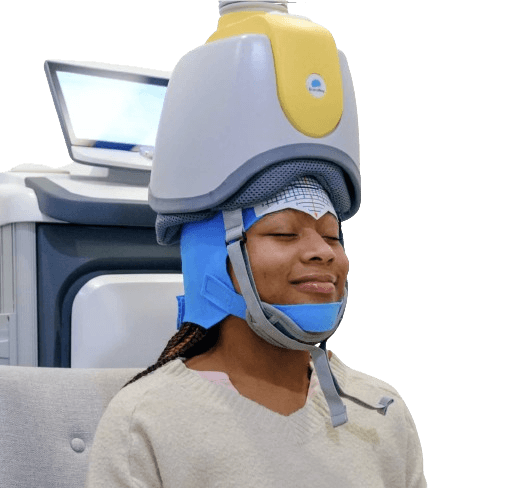
Your plan is tailored to your clinical profile. Your plan may include ketamine-assisted psychotherapy, Deep TMS, or a combined approach with ongoing psychiatric support.

Step 4
Treatment and Follow-Up
You meet with your psychiatrist during treatment to review your progress, and your plan is adjusted if needed. Psychiatrists, registered nurses, and licensed therapists support you during treatment.

Step 5
Maintenance and Support
Optional maintenance sessions, check-ins, and integration with psychotherapy or other supports may be discussed with your care team.
See the full process on How It Works →
Is BrainStim right for you?
Whether treatment is appropriate is determined through clinical assessment. You may wish to discuss these options with your clinician if you:

Have tried multiple anxiety medications without adequate relief
Experience anxiety significantly interfering with work, relationships, or daily activities
Have frequent panic attacks despite treatment
Want to discuss additional treatment options alongside current care.
Would like a clinician’s assessment of treatment options
Experience anxiety co-occurring with depression or PTSD

Frequently Asked Questions
How is ketamine different from benzodiazepines for anxiety?
Benzodiazepines and ketamine are different medications with different risks, and medication decisions must be made with your prescribing clinician. Ketamine is authorized as an anesthetic; its use in anxiety treatment is off-label, and it is administered in controlled medical settings with screening and monitoring. Your psychiatrist can explain how the options differ for your situation.
Will ketamine initially worsen anxiety?
Some patients experience temporary increases in anxiety during or after sessions. Your care team screens for risk, monitors you during treatment, and will discuss what to expect based on your individual history.
Can TMS help with panic attacks?
Evidence for TMS varies by diagnosis. A clinician determines whether TMS is appropriate for you after an assessment, based on approved indications, available evidence and individual factors.
How long before improvements appear?
Ketamine and TMS work differently, and how quickly someone notices a change varies by individual, diagnosis, and treatment history. Rather than a fixed timeline, your care team will monitor your response throughout treatment and adjust your plan as needed. During your assessment, your psychiatrist will discuss what to expect based on your specific situation and determine which treatment - or combination of treatments - is appropriate for you.
Can I stop anxiety medication?
Never stop psychiatric medication without medical supervision. Medication decisions must be made with your prescribing clinician. During consultation, we discuss current medications and develop safe plans.
What if anxiety makes clinic visits overwhelming?
We understand severe anxiety can make seeking treatment difficult. We can discuss accommodations like quieter appointment times, virtual consultations first, or having support persons accompany you. Availability varies by clinic.
*All content on this website is not medical advice and should not be considered as such. Only a licensed medical professional familiar with you and your medical history can provide medical advice and diagnosis.