Specializations
Advanced Solutions for Major Depressive Disorder & Treatment-Resistant Depression
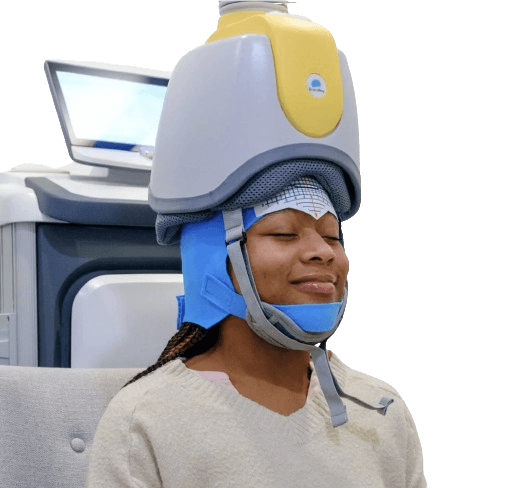
When traditional antidepressants haven't provided the relief you need, specialized treatment can make a difference. BrainStim Health offers evidence-based alternatives including Ketamine-Assisted Psychotherapy and Deep TMS - designed for people living with treatment-resistant depression.
Response varies by individual and diagnosis. Your psychiatrist will discuss treatment options and what to expect during your assessment, and your care team will monitor your response throughout treatment.

Compassionate
Understanding Major Depressive Disorder (MDD)
Major Depressive Disorder affects over 5% of Canadian adults and involves persistent changes in mood, energy, concentration, and physical functioning. Depression isn't simply "feeling sad" it's a complex neurobiological condition that disrupts brain chemistry and neural connectivity.
Common symptoms include:

Persistent low mood or emotional numbness
Loss of interest in previously enjoyed activities
Persistent fatigue unrelieved by rest
Thoughts of death or suicide
Significant sleep disturbances
Difficulty concentrating or making decisions
Feelings of worthlessness or excessive guilt
If you are thinking about suicide, call or text 9-8-8. If you are in immediate danger, call 9-1-1 or go to the nearest emergency department.
Clinical depression requires professional treatment. Persistent symptoms lasting two weeks or more may warrant assessment by a qualified healthcare professional. Diagnosis and treatment recommendations depend on a full clinical evaluation.
What Is Treatment-Resistant Depression?
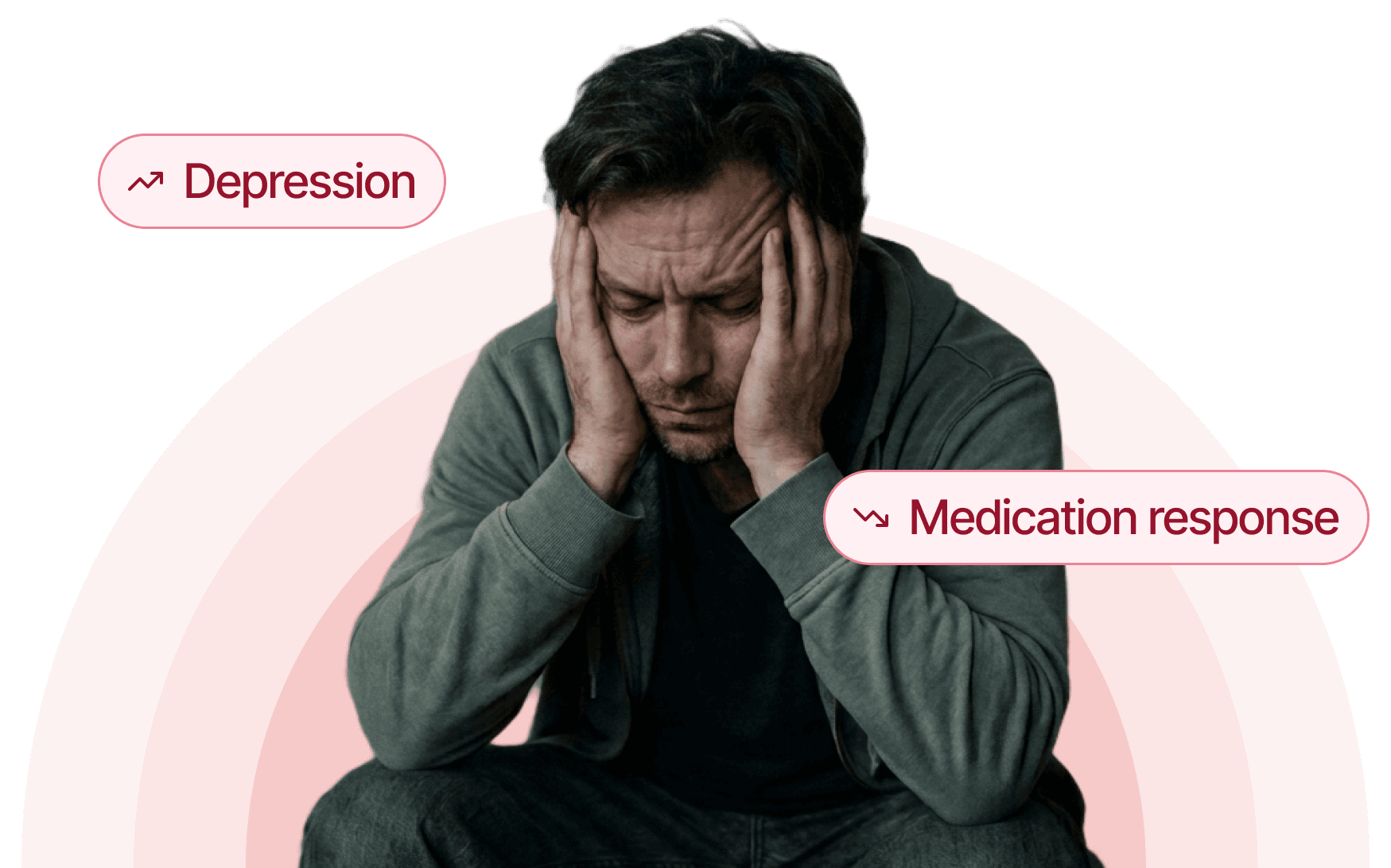
Approximately 30% of people with depression don't respond adequately to first-line treatments. If you've tried two or more antidepressants at therapeutic doses without significant improvement, you may have Treatment-Resistant Depression (TRD).
This doesn’t reflect personal failure; it means a different approach may be worth discussing with your clinician. Conventional antidepressants target serotonin and norepinephrine, and other approaches may act on different pathways.
Why Traditional Antidepressants Don't Work for Everyone
Standard antidepressants (SSRIs, SNRIs) require 6-8 weeks to show effects and work for approximately 40-50% of patients on first attempts. They adjust neurotransmitter levels gradually, but don't address all the brain systems involved in depression.
BrainStim offers additional treatment options that a clinician may consider when conventional approaches haven’t provided enough relief.

Advanced Depression Treatments at BrainStim

Your Treatment Journey

Step 1
Referral and Intake
A GP or psychiatrist can refer you, or you can contact our clinic to self-refer. We’ll follow up to schedule your initial assessment.

Step 2
Clinical Evaluation
A psychiatrist conducts a full assessment to confirm your diagnosis, review your history and discuss whether treatment may be appropriate. We review your treatment history, symptom patterns, and goals.

Step 3
Personalized Plan
Your plan is tailored to your clinical profile. Your plan may include ketamine-assisted psychotherapy, Deep TMS, or a combined approach, based on your assessment.

Step 4
Treatment and Follow-Up
You meet with your psychiatrist during treatment to review your progress, and your plan is adjusted if needed. You’re supported by psychiatrists, registered nurses, and licensed therapists.

Step 5
Maintenance and Support
Optional maintenance sessions, check-ins, and integration with psychotherapy or other supports may be discussed with your care team.
See the full process on How It Works →
Is BrainStim right for you?
Whether treatment is appropriate is determined through clinical assessment. You may wish to discuss these options with your clinician if you:

Have tried multiple antidepressants without adequate relief
Experience depression that significantly impairs daily functioning
Have been diagnosed with treatment-resistant depression
Want to discuss additional options after previous treatment

Frequently Asked Questions
How long before improvements appear?
Ketamine and TMS work differently, and how quickly someone notices a change varies by individual, diagnosis, and treatment history. Rather than a fixed timeline, your care team will monitor your response throughout treatment and adjust your plan as needed. During your assessment, your psychiatrist will discuss what to expect based on your specific situation and determine which treatment - or combination of treatments - is appropriate for you.
What should I know about the safety of ketamine therapy?
Ketamine is authorized as an anesthetic; its use in mental health treatment is off-label. Treatment has risks, requires screening and monitoring, and is not appropriate for everyone. Your clinical team will review the risks with you based on your individual history.
What if I'm having suicidal thoughts?
If you are thinking about suicide, call or text 9-8-8. If you are in immediate danger, call 9-1-1 or go to the nearest emergency department.
Will insurance cover treatment?
Coverage varies by provider and plan. Some extended health plans cover ketamine therapy and TMS. We provide documentation for insurance submissions.
How long do effects last?
Duration of response varies by individual and diagnosis. Your care team will review your progress with you and discuss whether any follow-up or maintenance care is appropriate.
Can I continue current antidepressants during treatment?
Medication decisions must be made with your prescribing clinician. We review your complete medication list during your assessment.
*All content on this website is not medical advice and should not be considered as such. Only a licensed medical professional familiar with you and your medical history can provide medical advice and diagnosis.