
Compassionate
Specializations
Advanced Treatment for Obsessive Thoughts & Compulsive Behaviors
When Exposure and Response Prevention therapy and medications haven’t adequately controlled OCD symptoms, specialized neurobiological treatments may be worth exploring.
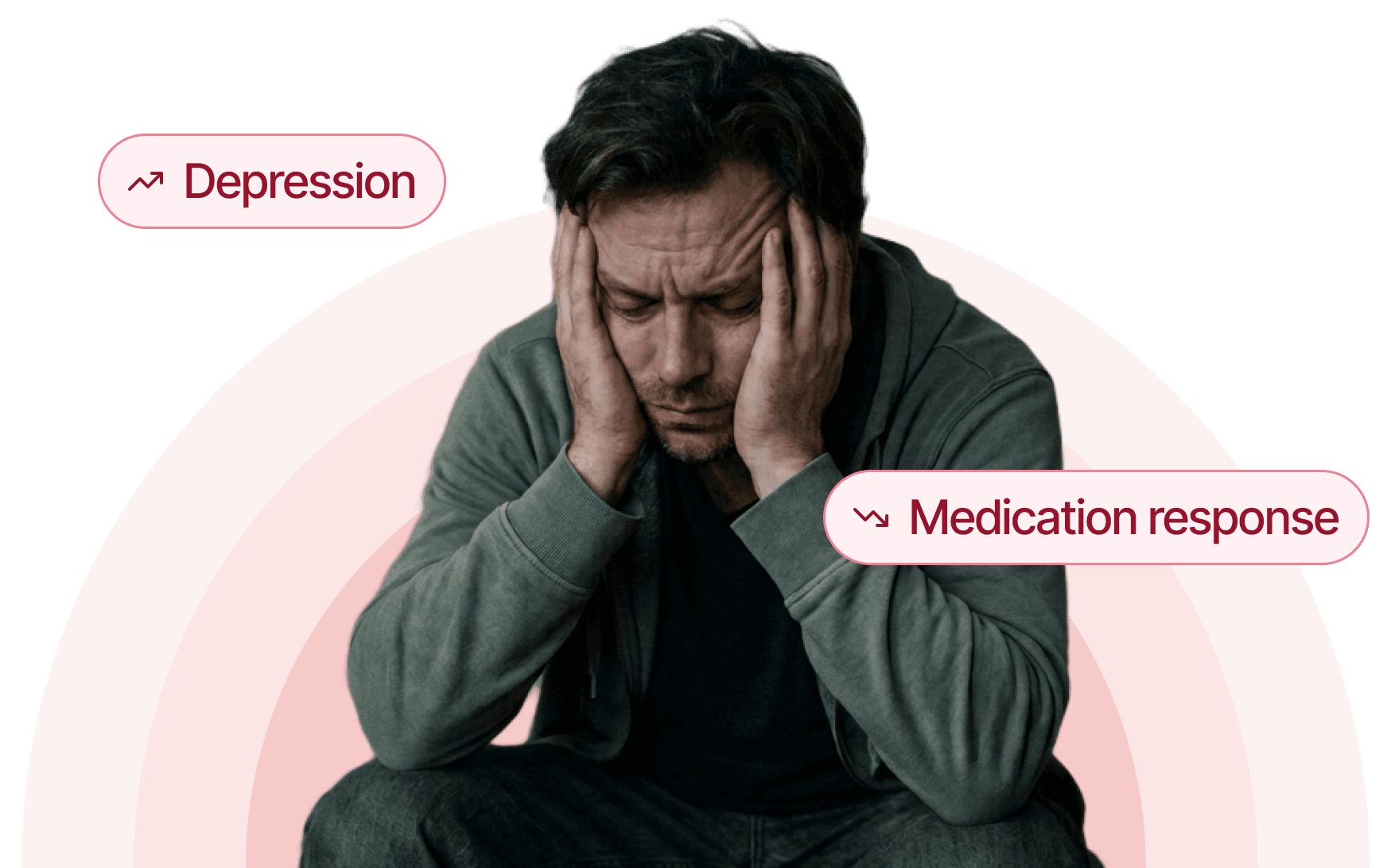
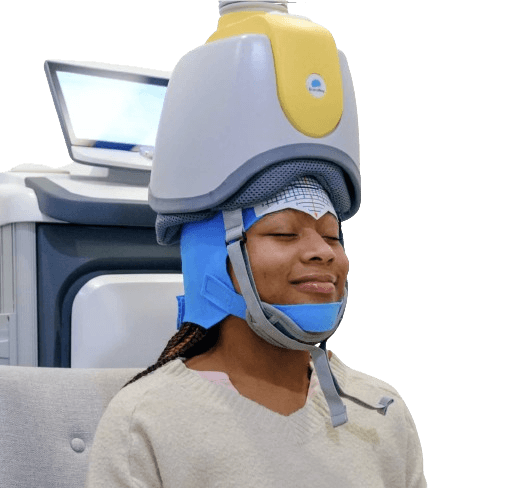
BrainStim Health offers Ketamine-Assisted Psychotherapy and Deep TMS as part of an individualized assessment process, targeting the brain circuits associated with obsessive-compulsive patterns. Exposure and Response Prevention (ERP) is a structured therapy in which you gradually face feared triggers without performing compulsions.
Our clinical team evaluates each case to determine whether these approaches are appropriate, based on your specific symptoms, treatment history, and clinical presentation.
Obsessive-Compulsive Disorder (OCD)
OCD affects approximately 1-2% of Canadians and involves cycles of obsessions (intrusive, unwanted thoughts, images, or urges) and compulsions (repetitive behaviors or mental acts performed to reduce anxiety).
Common obsession themes:

Contamination: Fear of germs, illness, or contamination
Harm: Intrusive thoughts about causing harm to self or others
Symmetry/ordering: Need for things to be "just right"
Sexual: Unwanted sexual thoughts or images
Existential: Obsessive questioning about reality or existence
Religious/moral (scrupulosity): Excessive concern about sin or morality
Common compulsions:
• Checking (locks, appliances, work)
• Washing or cleaning
• Counting or repeating
• Ordering or arranging
• Mental rituals (praying, counting, reviewing)
• Seeking reassurance
• Avoidance of triggers
The hallmark of OCD: obsessions cause significant distress, and compulsions provide only temporary relief - reinforcing the cycle.
The Neuroscience of OCD
OCD involves dysregulation in specific brain circuits, particularly the cortico-striato-thalamo-cortical (CSTC) loops.
Your brain:
• Generates excessive error signals: The "something is wrong" alarm fires constantly
• Struggles to shift attention: The orbitofrontal cortex becomes overactive
• Creates compulsive behavioral loops: The striatum impairs decision-making
• Fails to send "all clear" signals: The thalamus doesn't receive threat-resolution messages
This isn't about logic or willpower—it's faulty neural circuitry overriding rational knowledge.
When Standard OCD Treatment Isn't Enough
ERP and medication are established treatment options for OCD. These help many people, but approximately 40-60% don’t achieve full remission.
If you’ve struggled with inability to engage with ERP, inadequate medication response, or severe symptoms that take up much of your day, you may wish to discuss additional options with your clinician.

Advanced OCD Treatments at BrainStim


Your Treatment Journey

Step 1
Referral and Intake
A GP or psychiatrist can refer you, or you can contact our clinic to self-refer. We’ll follow up to schedule your initial assessment.

Step 2
Clinical Evaluation
A psychiatrist conducts a full assessment to confirm your diagnosis, review your history and discuss whether treatment may be appropriate. We explore your obsession themes and compulsion patterns, time spent on symptoms, previous treatments, and the impact on relationships, work, and quality of life.

Step 3
Personalized Plan
Your plan is tailored to your clinical profile. Your plan may include ketamine-assisted psychotherapy, Deep TMS, or combined treatment with ongoing psychiatric support.

Step 4
Treatment and Follow-Up
You meet with your psychiatrist during treatment to review your progress, and your plan is adjusted if needed. Clinicians who understand OCD’s unique challenges - the shame, exhaustion, and isolation - support you throughout treatment.

Step 5
Maintenance and Support
Optional maintenance sessions, check-ins, and integration with psychotherapy or other supports may be discussed with your care team.
See the full process on How It Works →
Is BrainStim right for you?
Whether treatment is appropriate is determined through clinical assessment. You may wish to discuss these options with your clinician if you:

Have tried ERP therapy and medication without adequate relief
Experience OCD symptoms that take up significant time each day
Struggle to engage with exposure therapy due to symptom severity
Want to discuss additional options after previous treatment
Have OCD co-occurring with depression, anxiety, or other conditions
Would like a clinician’s assessment of treatment options
Medication changes should only be made in consultation with your prescribing clinician.

Frequently Asked Questions
Will ketamine eliminate intrusive thoughts completely?
Intrusive thoughts are common, and treatment is not expected to eliminate them completely. Response varies by individual and diagnosis, and your psychiatrist will discuss what to expect based on your situation.
How is this different from SSRIs?
SSRIs and ketamine are different medications that act on different pathways, and TMS is a non-drug treatment. Medication decisions must be made with your prescribing clinician. Your psychiatrist can explain how the options differ and which may be appropriate for you.
Can TMS help with pure-O (primarily obsessional OCD)?
Whether TMS is appropriate for primarily obsessional OCD (sometimes called “pure-O”) is determined by a clinician after assessment. Evidence varies by presentation.
Will I have to do exposure therapy during treatment?
Your clinical team tailors the plan to your readiness. Depending on assessment, exposure work may be part of your plan alongside or after other treatment, or may be discussed at a later stage.
How long do effects last?
Duration of response varies by individual and diagnosis. Your care team will review your progress with you and discuss whether any follow-up or maintenance care is appropriate.
What if my obsessions involve disturbing thoughts I'm ashamed to share?
OCD clinicians are trained in the full range of obsession content, including taboo themes. Nothing you share will shock us, and we understand having these thoughts doesn’t reflect your character. We create judgment-free environments for honest discussion.
*All content on this website is not medical advice and should not be considered as such. Only a licensed medical professional familiar with you and your medical history can provide medical advice and diagnosis.