Specializations
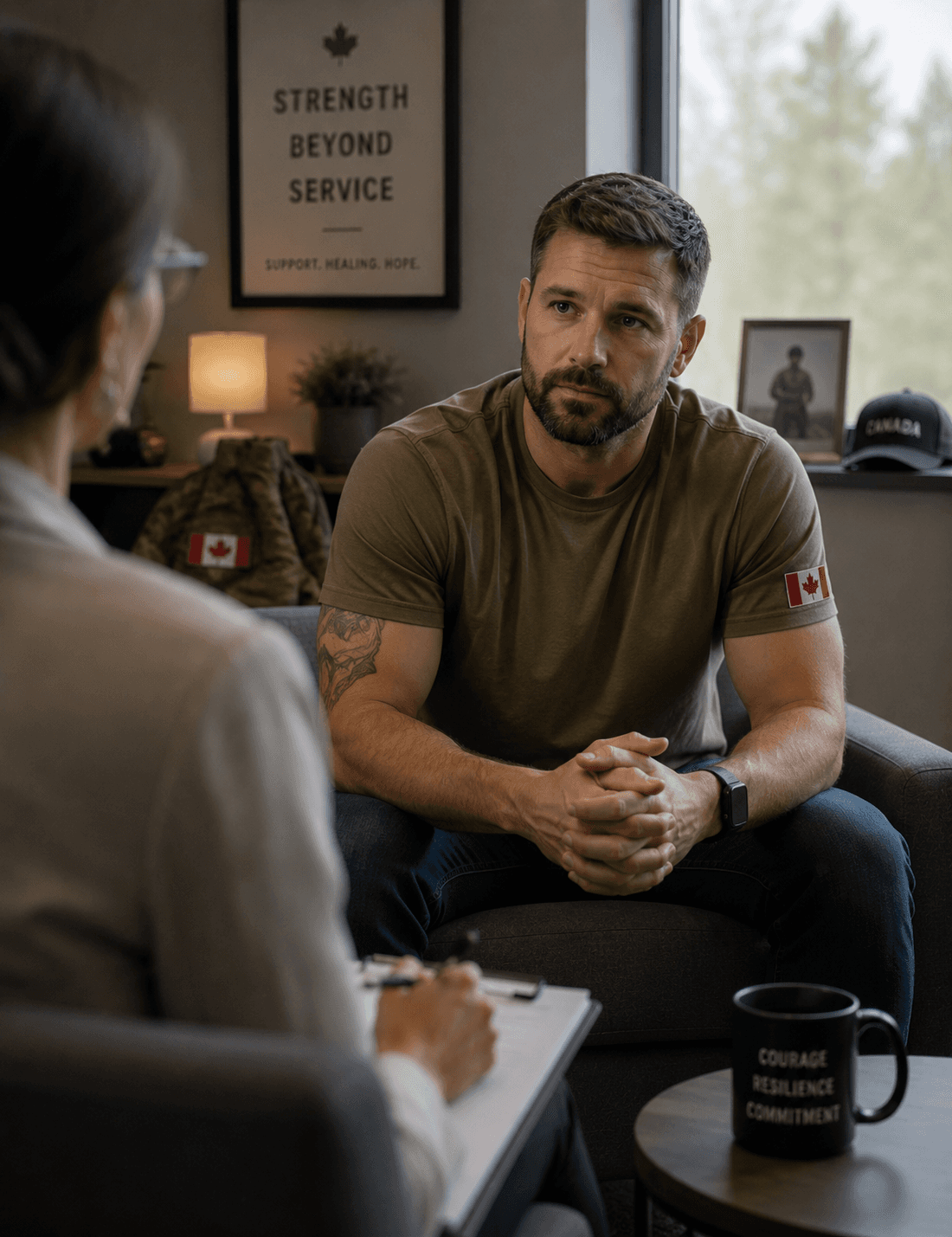
Advanced Trauma Therapy for Veterans, First Responders & Civilians
When trauma symptoms continue despite traditional therapy, specialized treatment options may be worth discussing with a clinician.
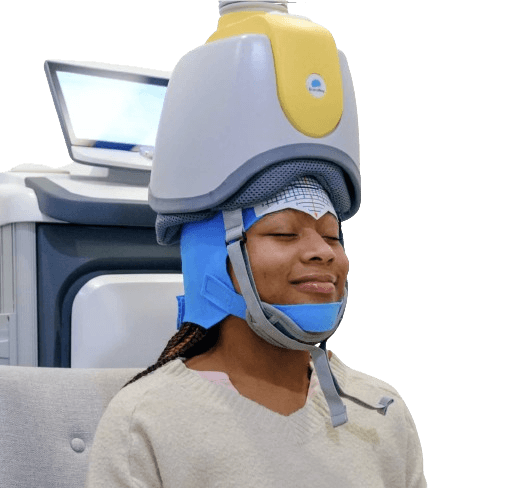
rainStim Health offers Ketamine-Assisted Psychotherapy and Deep TMS as part of an individualized assessment process for PTSD and complex trauma.
Our care team will discuss which options may be appropriate, based on your history, previous treatment and individual factors.
Compassionate
Understanding PTSD and Complex Trauma
Posttraumatic stress disorder (PTSD) is a psychiatric condition that may occur in people who have experienced or witnessed a traumatic event or series of traumatic events.
PTSD develops when your brain's processing systems become overwhelmed, leaving trauma "unprocessed" and stored in your nervous system as perpetually present rather than safely in the past.
Common PTSD symptoms:

Re-experiencing
• Intrusive memories or flashbacks
• Trauma-related nightmares
• Intense psychological or physical reactions to reminders
Negative mood and cognition changes
• Persistent negative beliefs about self or world
• Distorted blame
• Diminished interest in activities
• Feeling detached from others
• Inability to experience positive emotions
Avoidance
• Avoiding trauma-related thoughts, feelings, or conversations
• Avoiding triggering people, places, or activities
• Emotional numbness or detachment
Hyperarousal
• Hypervigilance and exaggerated startle response
• Sleep disturbances
• Difficulty concentrating
• Irritability or anger outbursts
• Reckless or self-destructive behavior
Complex PTSD (C-PTSD)
Complex PTSD develops from prolonged, repeated trauma - particularly when escape wasn't possible. This includes childhood abuse, domestic violence, or prisoner of war experiences.
C-PTSD includes standard PTSD symptoms plus:
• Difficulty regulating emotions
• Negative self-perception and persistent shame
• Relationship difficulties and trust issues
• Loss of meaning or spiritual crisis
Why Traditional PTSD Treatment Sometimes Falls Short
Traditional treatments—including exposure therapy and SSRIs—help many people, but approximately 40-50% don't achieve full remission.
Trauma literally alters brain function:
• Amygdala hyperactivity: Threat-detection system remains overactive.
• Hippocampus disruption: Memory processing becomes impaired.
• Prefrontal cortex weakness: Emotional regulation and distinguishing past from present becomes difficult.
• Default mode network dysregulation: Rumination and re-experiencing intensify.
When conventional approaches haven’t provided enough relief, specialized options may be worth discussing with your clinician.

Advanced PTSD Treatments at BrainStim

Your Treatment Journey

Step 1
Referral and Intake
A GP or psychiatrist can refer you, or you can contact our clinic to self-refer. We’ll follow up to schedule your initial assessment.

Step 2
Clinical Evaluation
A psychiatrist conducts a full assessment to confirm your diagnosis, review your history and discuss whether treatment may be appropriate. We take a trauma-informed approach: we won’t push you to share details before you’re ready, and we focus on current symptoms, previous treatments, goals, and readiness for trauma-processing work.

Step 3
Personalized Plan
Your plan is tailored to your clinical profile. Your plan may include ketamine-assisted psychotherapy with integration therapy, Deep TMS, or a combined approach with psychiatric care.

Step 4
Treatment and Follow-Up
You meet with your psychiatrist during treatment to review your progress, and your plan is adjusted if needed. Psychiatrists, nurses, and therapists support you during treatment.

Step 5
Maintenance and Support
Optional maintenance sessions, check-ins, and integration with psychotherapy or other supports may be discussed with your care team.
See the full process on How It Works →
Is BrainStim right for you?
Whether treatment is appropriate is determined through clinical assessment. You may wish to discuss these options with your clinician if you:

Have tried traditional PTSD therapy without adequate relief
Cannot engage in exposure therapy due to symptom severity
Experience significant emotional dysregulation
Are a veteran or first responder seeking trauma-informed care
Have PTSD co-occurring with depression, anxiety, or substance use
Want to discuss additional options after previous treatment

Frequently Asked Questions
Will ketamine make me relive my trauma?
Experiences vary from person to person. Some patients describe a sense of psychological distance from traumatic memories during treatment, which may support processing, while others respond differently. Careful screening, preparation, and monitoring throughout each session are part of how our clinical team manages this. Your psychiatrist will discuss what to expect based on your individual history and treatment plan.
How is this different from traditional trauma therapy?
Traditional trauma therapy typically works through approaches such as exposure and cognitive restructuring. Ketamine-assisted therapy combines medically supervised treatment sessions with psychotherapy, and its use for PTSD is off-label. Your psychiatrist can explain how the approaches differ and which may be appropriate for you.
Do I have to talk about my trauma in detail?
You share only what feels comfortable. Your therapist will go at a pace that suits you, and integration therapy follows your lead.
Is treatment covered for veterans?
Coverage, authorization and eligibility vary by benefits program. We work with Veterans Affairs Canada and various veteran support organizations. Our team helps navigate available benefits and provides documentation for claims.
Can ketamine help with moral injury?
Moral injury refers to psychological distress from actions that go against your moral code. Research on ketamine for moral injury is limited and emerging, and no conclusions can be drawn about individual outcomes. Your psychiatrist can discuss what is known and what may be appropriate for you.
What if I'm not ready to process trauma?
That’s completely valid. You don’t need to be ready to process trauma to begin with an assessment. We work at your pace, and your psychiatrist will discuss which options, if any, may be appropriate for you now.
Crisis resources: If you are thinking about suicide, call or text 9-8-8. If you are in immediate danger, call 9-1-1 or go to the nearest emergency department.
*All content on this website is not medical advice and should not be considered as such. Only a licensed medical professional familiar with you and your medical history can provide medical advice and diagnosis.