How Does Psychedelic Therapy Help in Depression Treatment?
Understanding Psychedelic Therapy
Originally used as an anesthetic, psychedelic has gained recognition for its rapid-acting antidepressant effects.
Unlike standard psychedelics, which take weeks to show results, psychedelic for depression can provide relief within hours or days. It works by increasing glutamate levels in the brain, which helps repair neural pathways associated with mood regulation.

How Psychedelic Therapy Works for Depression
1. Restores Neural Connections
Long-term stress and depression can damage or weaken the brain’s neural pathways. stimulates synaptic growth, helping to restore these pathways and improve overall mood.
2. Rapid Symptom Relief
Unlike traditional antidepressants, which often take weeks to show results, psychedelic for treatment-resistant depression can offer noticeable improvement within 24 to 72 hours after treatment.
3. Reduces Suicidal Thoughts
Studies show that psychedelic has a significant impact on suicidal ideation, making it a valuable treatment option for individuals at risk.
4. Works When Other Treatments Fail
Many patients who have not responded to SSRIs, SNRIs, or psychotherapy find relief with Assisted Psychotherapy (KAP), which combines psychedelic infusions with guided therapeutic sessions.
Types of Psychedelic Therapy
1. Intravenous (IV) Infusions

IV psychedelic therapy is the most studied and effective form, providing controlled dosing and rapid absorption for those seeking relief from depression.
2. Intramuscular (IM) Injections

This method is an alternative to IV infusions, offering similar benefits with slightly different dosing protocols.
3. Nasal Spray
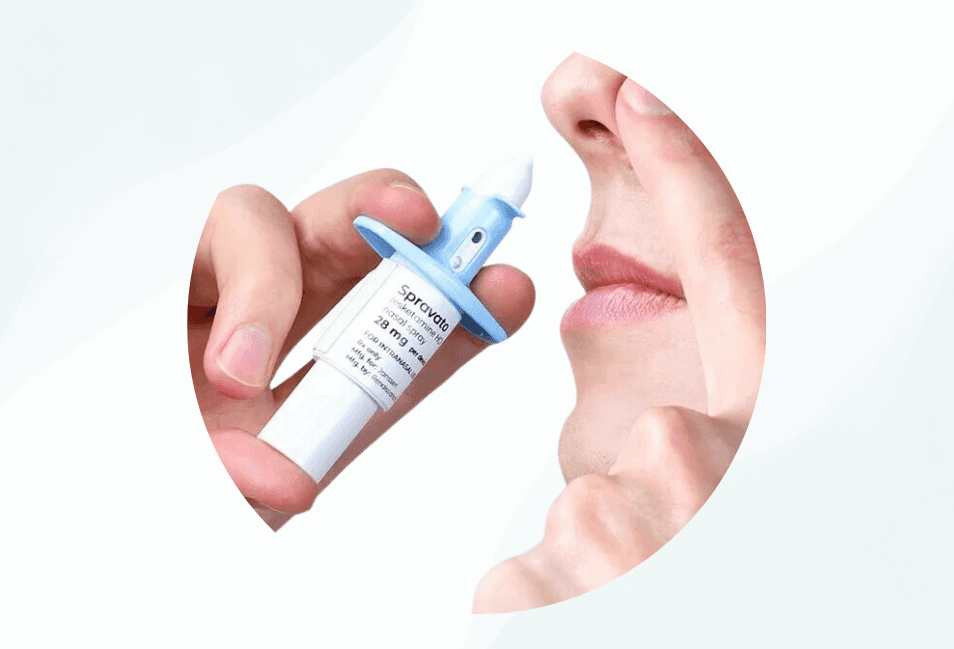
An FDA-approved nasal spray used alongside traditional antidepressants to enhance treatment outcomes.
4. Oral (Lozenges or Capsules)
Although less common, some clinics offer psychedelic in oral form, primarily for maintenance therapy after initial infusions.

Psychedelic Assisted Psychotherapy —A Holistic Approach
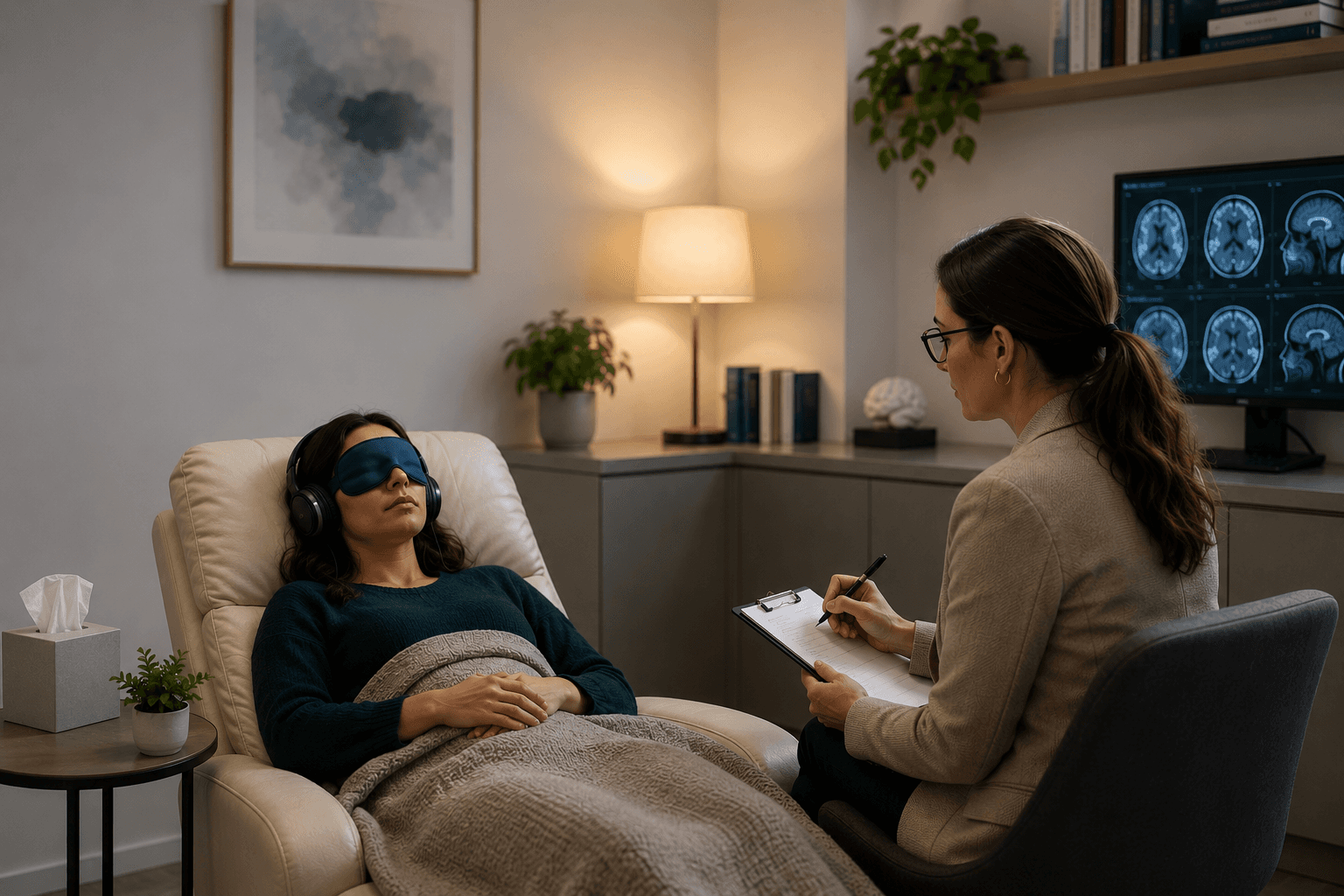
Psychedelic Assisted Psychotherapy combines psychedelic treatments with psychotherapy sessions, allowing patients to explore their thoughts and emotions in a guided setting. This approach enhances the effectiveness of psychedelic by integrating the insights gained during treatment into daily life.
Benefits:
Deep emotional processing
Increased self-awareness
Long-term improvement in mood and mental well-being
Why Choose Psychedelic Therapy in Vancouver?
Vancouver is home to several leading clinics specializing in psychedelic therapy, offering cutting-edge treatments for individuals struggling with depression. Whether you’re seeking psychedelic Vancouver services or a trusted provider, options like BrainStim Vancouver offer expert care and tailored treatment plans.
Additional Services Offered at BrainStim Vancouver
To address a wide spectrum of mental health conditions, BrainStim Vancouver also provides evidence-based, integrative programs, including:
TMS for Depression: A non-invasive treatment that stimulates areas of the brain involved in mood regulation.
TMS for ADHD: Used to enhance attention and executive function, especially in adults with ADHD.
PTSD Mental Health Programs: Targeted therapies for trauma recovery, combining TMS, psychotherapy, and mindfulness.
Mindfulness-Based Stress Reduction (MBSR): A structured program that uses meditation and mindfulness to reduce anxiety and depression symptoms.
Treatment for Anxiety: A range of options, from TMS to psychotherapy and psychedelic management, tailored to everyone.
What Happens During a Psychedelic Therapy Session
Initial Assessment: A healthcare provider will evaluate your condition to see if psychedelic therapy is a suitable treatment.
Preparation: A calm monitored environment is set up to ensure a positive experience.
Administration: The psychedelic dose is given via IV, IM injection, nasal spray, or oral form.
Professional Supervision: Healthcare providers oversee the session to ensure both safety and comfort.
Integration Therapy: Post-session discussions help process emotions and maximize benefits.

Are There Any Side Effects?
While psychedelic therapy is generally safe, some mild side effects may occur in an odd case, including
Dizziness or lightheadedness
Mild nausea
Temporary dissociation or altered perception
These sensations typically fade soon after the session ends.
For those struggling with treatment-resistant depression, psychedelic therapy offers a promising solution. If you’re looking for expert care in psychedelic therapy, consider scheduling a consultation to explore this innovative treatment option.
References
Murrough, J. W., et al. (2015). Antidepressant efficacy of psychedelic in treatment-resistant major depression: a two-site randomized controlled trial. American Journal of Psychiatry.
Ballard, E. D., et al. (2014). Rapid antidepressant and antisuicidal effects of psychedelic: a systematic review and meta-analysis. Psychological Medicine.
Feder, A., et al. (2014). Efficacy of psychedelic in reducing PTSD symptoms: a randomized controlled trial. JAMA Psychiatry.
Understanding Psychedelic Therapy
Originally used as an anesthetic, psychedelic has gained recognition for its rapid-acting antidepressant effects.
Unlike standard psychedelics, which take weeks to show results, psychedelic for depression can provide relief within hours or days. It works by increasing glutamate levels in the brain, which helps repair neural pathways associated with mood regulation.
How Psychedelic Therapy Works for Depression
1. Restores Neural Connections
Long-term stress and depression can damage or weaken the brain’s neural pathways. stimulates synaptic growth, helping to restore these pathways and improve overall mood.
2. Rapid Symptom Relief
Unlike traditional antidepressants, which often take weeks to show results, psychedelic for treatment-resistant depression can offer noticeable improvement within 24 to 72 hours after treatment.
3. Reduces Suicidal Thoughts
Studies show that psychedelic has a significant impact on suicidal ideation, making it a valuable treatment option for individuals at risk.
4. Works When Other Treatments Fail
Many patients who have not responded to SSRIs, SNRIs, or psychotherapy find relief with Assisted Psychotherapy (KAP), which combines psychedelic infusions with guided therapeutic sessions.
Types of Psychedelic Therapy
1. Intravenous (IV) Infusions
IV psychedelic therapy is the most studied and effective form, providing controlled dosing and rapid absorption for those seeking relief from depression.
2. Intramuscular (IM) Injections
This method is an alternative to IV infusions, offering similar benefits with slightly different dosing protocols.
3. Nasal Spray
An FDA-approved nasal spray used alongside traditional antidepressants to enhance treatment outcomes.
4. Oral (Lozenges or Capsules)
Although less common, some clinics offer psychedelic in oral form, primarily for maintenance therapy after initial infusions.
Psychedelic Assisted Psychotherapy —A Holistic Approach
Psychedelic Assisted Psychotherapy combines psychedelic treatments with psychotherapy sessions, allowing patients to explore their thoughts and emotions in a guided setting. This approach enhances the effectiveness of psychedelic by integrating the insights gained during treatment into daily life.
Benefits:
Deep emotional processing
Increased self-awareness
Long-term improvement in mood and mental well-being
Why Choose Psychedelic Therapy in Vancouver?
Vancouver is home to several leading clinics specializing in psychedelic therapy, offering cutting-edge treatments for individuals struggling with depression. Whether you’re seeking psychedelic Vancouver services or a trusted provider, options like BrainStim Vancouver offer expert care and tailored treatment plans.
Additional Services Offered at BrainStim Vancouver
To address a wide spectrum of mental health conditions, BrainStim Vancouver also provides evidence-based, integrative programs, including:
TMS for Depression: A non-invasive treatment that stimulates areas of the brain involved in mood regulation.
TMS for ADHD: Used to enhance attention and executive function, especially in adults with ADHD.
PTSD Mental Health Programs: Targeted therapies for trauma recovery, combining TMS, psychotherapy, and mindfulness.
Mindfulness-Based Stress Reduction (MBSR): A structured program that uses meditation and mindfulness to reduce anxiety and depression symptoms.
Treatment for Anxiety: A range of options, from TMS to psychotherapy and psychedelic management, tailored to everyone.
What Happens During a Psychedelic Therapy Session
Initial Assessment: A healthcare provider will evaluate your condition to see if psychedelic therapy is a suitable treatment.
Preparation: A calm monitored environment is set up to ensure a positive experience.
Administration: The psychedelic dose is given via IV, IM injection, nasal spray, or oral form.
Professional Supervision: Healthcare providers oversee the session to ensure both safety and comfort.
Integration Therapy: Post-session discussions help process emotions and maximize benefits.
Are There Any Side Effects?
While psychedelic therapy is generally safe, some mild side effects may occur in an odd case, including
Dizziness or lightheadedness
Mild nausea
Temporary dissociation or altered perception
These sensations typically fade soon after the session ends.
For those struggling with treatment-resistant depression, psychedelic therapy offers a promising solution. If you’re looking for expert care in psychedelic therapy, consider scheduling a consultation to explore this innovative treatment option.
References
Murrough, J. W., et al. (2015). Antidepressant efficacy of psychedelic in treatment-resistant major depression: a two-site randomized controlled trial. American Journal of Psychiatry.
Ballard, E. D., et al. (2014). Rapid antidepressant and antisuicidal effects of psychedelic: a systematic review and meta-analysis. Psychological Medicine.
Feder, A., et al. (2014). Efficacy of psychedelic in reducing PTSD symptoms: a randomized controlled trial. JAMA Psychiatry.
/ / / / / / / /



Take the Next Step
With clinics across Canada, expert help is closer than you think. Take the first step towards a brighter future today
Navigation
Locations
Support
© 2026 BrainStim. All rights reserved.
Take the Next Step
With clinics across Canada, expert help is closer than you think. Take the first step towards a brighter future today
Navigation
Locations
Framer is a web builder for creative pros. Be sure to check out framer.com to learn more.
Support
© 2026 BrainStim. All rights reserved.

Take the Next Step
With clinics across Canada, expert help is closer than you think. Take the first step towards a brighter future today
Navigation
Locations
Framer is a web builder for creative pros. Be sure to check out framer.com to learn more.
Support
© 2026 BrainStim. All rights reserved.