

How to Support Someone with Depression: Tips & Strategies
Spotting the Signs
It’s easy to mistake depression for a bad mood or a rough week, but depression is different. It’s persistent, long-lasting, and impacts daily life. The key is to look for patterns of change, not just a single off day.
Social Changes
Going quiet online – disappearing from chats or social media.
Turning down plans – avoiding activities they used to enjoy.
Distant presence – physically there but disengaged.
Routine Changes
Sleep problems – oversleeping or struggling with insomnia.
Appetite shifts – eating far less, or much more for comfort.
Energy and self-care – neglecting daily tasks or feeling overwhelmed.
Recognizing these warning signs helps you distinguish between temporary stress and a deeper struggle with depression.
Starting the Conversation About Depression
Your role isn’t to diagnose — that’s for a professional. Your role is to notice changes with compassion and open the door for conversation.
Above all, focus on listening. Don’t interrupt or try to “fix” everything. Your empathy matters more than perfect words.
Tips for starting the conversation:
Choose the right moment: a quiet, private setting where you won’t be interrupted.
Use “I” statements: “I’ve noticed you seem really tired lately, and I care about you.”
Keep it simple: Ask open-ended questions like:
“How have you really been feeling?”
“You don’t seem like yourself — I’m here if you want to talk.”
“I know things feel heavy. I want to help if I can.”

What Not to Say to Someone with Depression
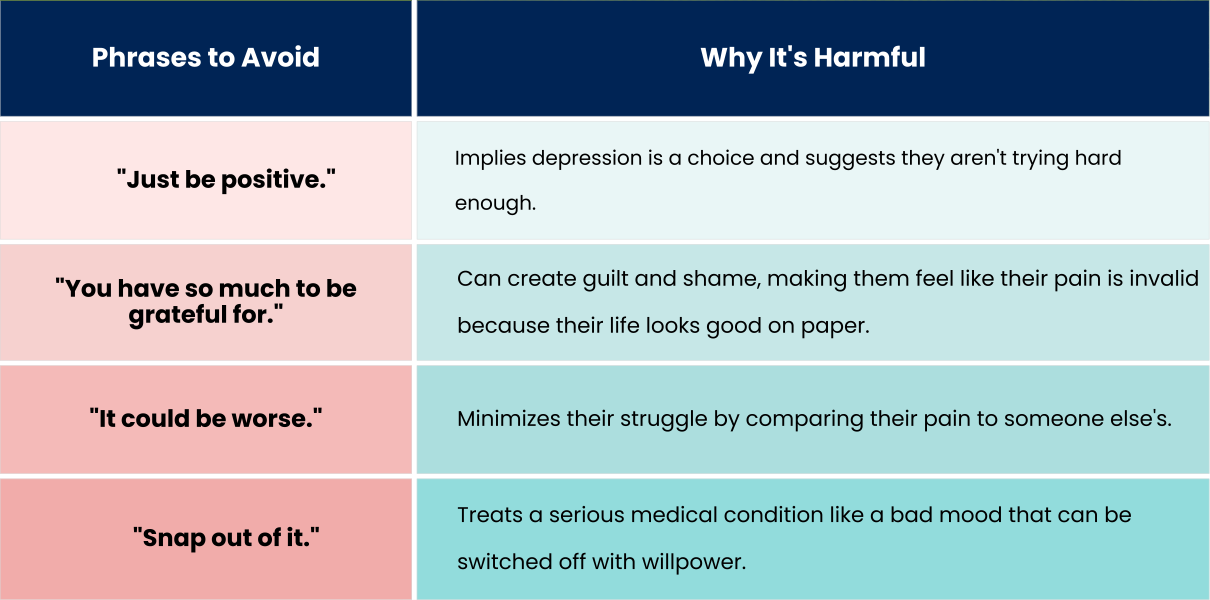
Even well-meant phrases can be harmful if they sound dismissive. Avoid saying things like:
“Just be positive.”
“You have so much to be grateful for.”
“It could be worse.”
“Snap out of it.”
Depression isn’t a mindset — it’s a medical condition. Minimizing their pain can make them feel isolated. Instead, validate what they’re going through and remind them they’re not alone.
Offering Support That Actually Helps
Real support isn’t about grand gestures. It’s about small, steady actions that show you care.
Practical Support
Offer help with groceries, meals, or chores.
Sit with them while they make an important call.
Suggest spending quiet time together — watching a movie or just being present.
Emotional Support
Send a simple check-in text: “Thinking of you today.”
Acknowledge their effort: “I know this is hard, and I’m proud of you for getting through the day.”
Be consistent — showing up matters more than saying the “perfect” thing.
Encouraging Professional Help
One of the best ways you can help is gently encouraging them to seek professional care. Frame it as a strength, not a weakness:
“I can see how much you’re struggling. Have you thought about talking to a professional? They can give you support tools that really help.”
You can offer to:
Research therapists or clinics.
Write down questions for their first session.
Drive them to an appointment and wait if they need support.

Respecting Differences
Depression doesn’t look the same for everyone.
Men may show anger, irritability, or reckless behavior.
Teens may appear more irritable or withdrawn.
Older adults may complain of fatigue or aches instead of sadness.
Cultural differences also shape how depression is expressed. Some may describe physical symptoms rather than emotions. Respecting these differences helps you offer support that feels genuine.
Taking Care of Yourself While Supporting Someone
Supporting someone with depression can be emotionally draining. Remember: you can’t pour from an empty cup.
Set healthy boundaries.
Protect your own time and hobbies.
Watch for burnout — step back and care for yourself when needed.
👉 Caring for yourself allows you to show up with compassion and consistency.
Final Thoughts
Supporting someone with depression doesn’t mean solving all their problems. It means noticing changes, showing care, and encouraging professional help.
The most powerful message you can give is simple:
“You’re not alone. I’m here with you.”
For personalized support, contact us today and fill out the form, our team will reach out to you shortly.
Spotting the Signs
It’s easy to mistake depression for a bad mood or a rough week, but depression is different. It’s persistent, long-lasting, and impacts daily life. The key is to look for patterns of change, not just a single off day.
Social Changes
Going quiet online – disappearing from chats or social media.
Turning down plans – avoiding activities they used to enjoy.
Distant presence – physically there but disengaged.
Routine Changes
Sleep problems – oversleeping or struggling with insomnia.
Appetite shifts – eating far less, or much more for comfort.
Energy and self-care – neglecting daily tasks or feeling overwhelmed.
Recognizing these warning signs helps you distinguish between temporary stress and a deeper struggle with depression.
Starting the Conversation About Depression
Your role isn’t to diagnose — that’s for a professional. Your role is to notice changes with compassion and open the door for conversation.
Above all, focus on listening. Don’t interrupt or try to “fix” everything. Your empathy matters more than perfect words.
Tips for starting the conversation:
Choose the right moment: a quiet, private setting where you won’t be interrupted.
Use “I” statements: “I’ve noticed you seem really tired lately, and I care about you.”
Keep it simple: Ask open-ended questions like:
“How have you really been feeling?”
“You don’t seem like yourself — I’m here if you want to talk.”
“I know things feel heavy. I want to help if I can.”
What Not to Say to Someone with Depression
Even well-meant phrases can be harmful if they sound dismissive. Avoid saying things like:
“Just be positive.”
“You have so much to be grateful for.”
“It could be worse.”
“Snap out of it.”
Depression isn’t a mindset — it’s a medical condition. Minimizing their pain can make them feel isolated. Instead, validate what they’re going through and remind them they’re not alone.
Offering Support That Actually Helps
Real support isn’t about grand gestures. It’s about small, steady actions that show you care.
Practical Support
Offer help with groceries, meals, or chores.
Sit with them while they make an important call.
Suggest spending quiet time together — watching a movie or just being present.
Emotional Support
Send a simple check-in text: “Thinking of you today.”
Acknowledge their effort: “I know this is hard, and I’m proud of you for getting through the day.”
Be consistent — showing up matters more than saying the “perfect” thing.
Encouraging Professional Help
One of the best ways you can help is gently encouraging them to seek professional care. Frame it as a strength, not a weakness:
“I can see how much you’re struggling. Have you thought about talking to a professional? They can give you support tools that really help.”
You can offer to:
Research therapists or clinics.
Write down questions for their first session.
Drive them to an appointment and wait if they need support.
Respecting Differences
Depression doesn’t look the same for everyone.
Men may show anger, irritability, or reckless behavior.
Teens may appear more irritable or withdrawn.
Older adults may complain of fatigue or aches instead of sadness.
Cultural differences also shape how depression is expressed. Some may describe physical symptoms rather than emotions. Respecting these differences helps you offer support that feels genuine.
Taking Care of Yourself While Supporting Someone
Supporting someone with depression can be emotionally draining. Remember: you can’t pour from an empty cup.
Set healthy boundaries.
Protect your own time and hobbies.
Watch for burnout — step back and care for yourself when needed.
👉 Caring for yourself allows you to show up with compassion and consistency.
Final Thoughts
Supporting someone with depression doesn’t mean solving all their problems. It means noticing changes, showing care, and encouraging professional help.
The most powerful message you can give is simple:
“You’re not alone. I’m here with you.”
For personalized support, contact us today and fill out the form, our team will reach out to you shortly.
/ / / / / / / /



Take the Next Step
With clinics across Canada, expert help is closer than you think. Take the first step towards a brighter future today

Navigation
Locations
Support
© 2026 BrainStim. All rights reserved.
Take the Next Step
With clinics across Canada, expert help is closer than you think. Take the first step towards a brighter future today
Navigation
Locations
Framer is a web builder for creative pros. Be sure to check out framer.com to learn more.
Support
© 2026 BrainStim. All rights reserved.

Take the Next Step
With clinics across Canada, expert help is closer than you think. Take the first step towards a brighter future today
Navigation
Locations
Framer is a web builder for creative pros. Be sure to check out framer.com to learn more.
Support
© 2026 BrainStim. All rights reserved.