Is Psychedelic Therapy for Depression Treatment Addictive?
Understanding Psychedelic Therapy
Originally developed as an anesthetic, psychedelic has been safely used in medical procedures for decades. Today, its rapid-acting antidepressant properties are leveraged to treat conditions like severe depression, PTSD, and anxiety. In clinics across Canada, therapy is administered under stringent medical supervision, ensuring precise dosing and patient safety. Unlike recreational use, which involves uncontrolled doses, therapeutic psychedelic is carefully measured to maximize benefits while minimizing risks.
How Does Psychedelic Therapy Work for Depression?

Psychedelic Therapy functions as an NMDA receptor antagonist in the brain, which plays a significant role in mood regulation and pain perception. By blocking these receptors, it stimulates the release of glutamate—a neurotransmitter that promotes neuroplasticity. This process enables the brain to form new neural connections, effectively “rewiring” areas associated with mood and cognition. For individuals with treatment-resistant depression, psychedelic offers rapid relief, sometimes within hours, far surpassing the onset time of traditional antidepressants.
Is Psychedelic Therapy Addictive?
The short answer is no—when administered under medical supervision, psychedelic therapy is not considered addictive. Misconceptions often stem from its history of recreational misuse, where unregulated, high doses pose risks. In clinical environments, however, medical professionals monitor every aspect of its use—from dosage to patient response—ensuring both safety and therapeutic effectiveness.
Why Medical Supervision Matters?
Addiction risks are virtually eliminated in medically supervised settings. sessions are carefully monitored by experienced healthcare providers. Doses are calibrated based on individual patient needs, reducing the likelihood of dependency. This structured environment contrasts sharply with recreational use, where psychedelic is unregulated and consumed without medical oversight.
Debunking Myths About and Addiction

Several misconceptions persist regarding psychedelic therapy and its potential for addiction. Check Some of the most common myths:
Myth 1: therapy is equivalent to recreational use.
Fact: Medical psychedelic is delivered in small, controlled doses, strictly monitored by professionals to ensure patient safety.Myth 2: therapy creates dependency.
Fact: Under clinical supervision, psychedelic is administered at safe therapeutic levels that do not lead to dependency.Myth 3: Long-term therapy leads to addiction.
Fact: Research indicates that long-term, medically supervised psychedelic therapy does not foster addiction. Its controlled administration and periodic monitoring prevent misuse.
The Importance of Clinical Supervision

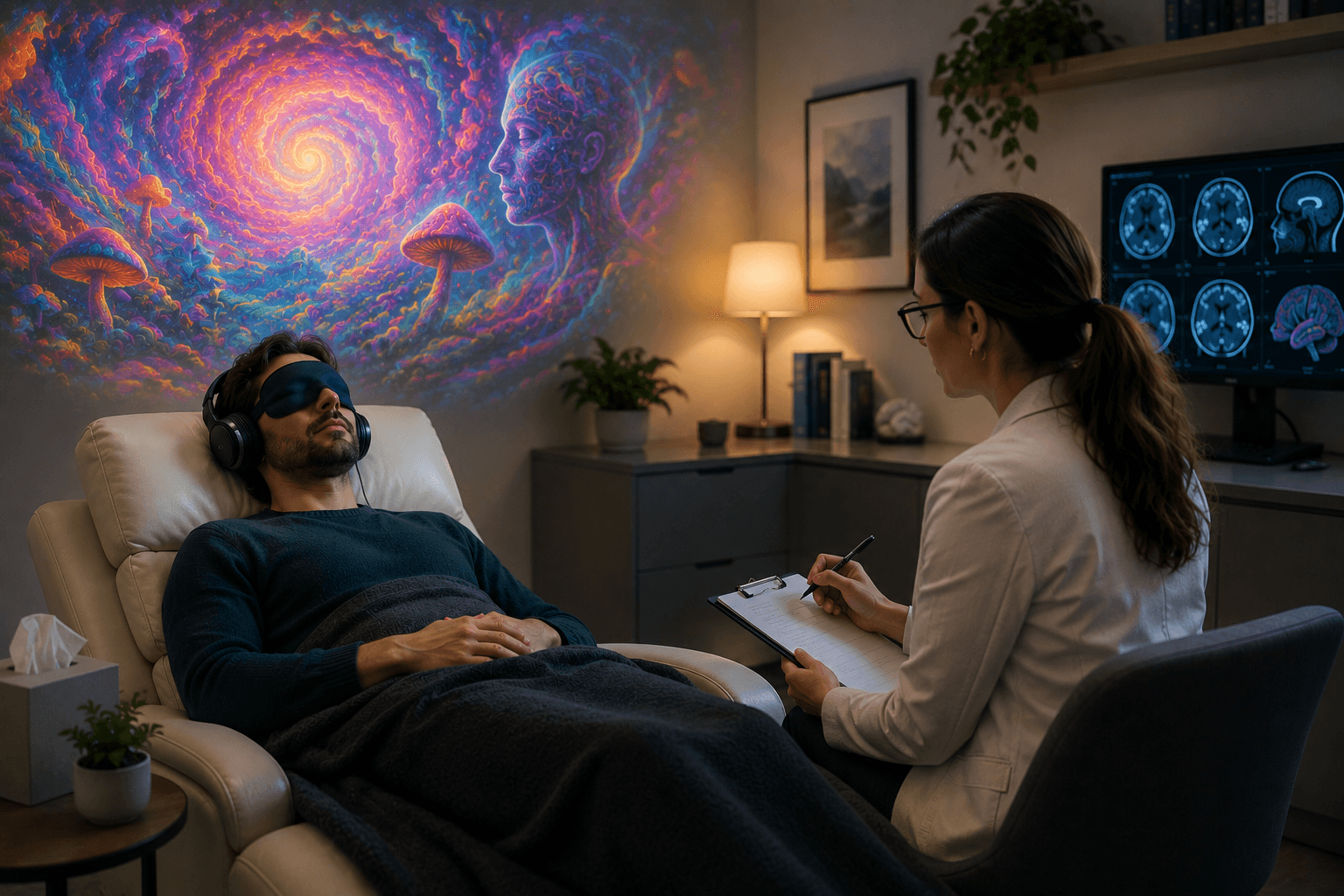
Administering psychedelic for depression demands high medical expertise. In Canada, clinics follow stringent medical protocols to ensure patient safety. Each session is supervised by licensed professionals who adjust dosages as needed and provide post-session integration therapy. This process not only maximizes therapeutic benefits but also eliminates risks associated with unsupervised use.
Final Thoughts
Psychedelic therapy represents a groundbreaking advancement for individuals struggling with depression, particularly those who have not found relief with traditional psychedelics. Administered in clinical settings, psychedelic therapy is safe, non-addictive, and remarkably effective for treatment-resistant depression. The controlled medical environment ensures patient safety, while its rapid antidepressant effects offer new hope for those seeking relief.
If you or someone you know is exploring innovative treatments for depression, consider learning more about how psychedelic therapy can be a life-changing solution—safely administered and free from addiction risks.
/ / / / / / / /