
Psychedelic-Assisted Therapy for Depression Guide
A New Chapter in Treating Depression
Living with depression that resists typical psychedelics is draining. Many individuals try multiple antidepressants only to find their symptoms unchanged. This reality defines treatment-resistant depression (TRD). In such cases, the mental health field needs fresh solutions. Over time, most treatments have targeted serotonin and dopamine. However, these approaches can take weeks or months to show any benefit — and often, they don’t succeed at all.
In contrast, psychedelic-assisted therapy breaks from that old model. It taps a different neural pathway and may deliver results with astonishing speed.
This is where the entire conversation around mental health care is starting to shift. For decades, the go-to approach involved psychedelics targeting serotonin and dopamine. The problem? They can take weeks or even months to show any effect, and for many, they don’t work at all. -assisted therapy breaks from this old model entirely, offering a different mechanism of action that can produce results with stunning speed.
A Different Path to Relief
Unlike SSRIs, which gradually adjust brain chemicals, psychedelic-assisted therapy works in a distinct way. It targets the NMDA receptor and modulates glutamate, a key neurotransmitter tied to mood and connectivity. This action may trigger the rapid growth of new neural pathways.
Think of this: if depression carves rigid ruts into a path, traditional antidepressants slowly fill those grooves. , however, helps the brain build entirely new roads. In result, many patients report mood improvement and fewer depressive symptoms within hours or days. It opens a window of clarity — a vital opportunity for change during acute distress.

What This Guide Will Cover
In this guide, we will go beyond buzzwords. You’ll gain a clear, detailed understanding of how psychedelic therapy works. We’ll walk you through the treatment process, clarify who qualifies, and explain what to expect. Above all, we want to replace uncertainty with confidence and give you a real starting point if you’re considering this innovative therapy
Recent Research and Developments
Modern studies reinforce what clinicians observe: psychedelic-assisted therapy produces a rapid, powerful antidepressant effect—especially in people who haven’t responded to other treatments. It appears to stimulate neuroplasticity, enabling the brain to rewire itself with new connections. This mechanism helps explain the swift improvements many patients experience.
Researchers are now exploring how to sustain these benefits longer term and how to integrate psychotherapy during that receptive window.
How Rewires the Brain for Relief
To understand psychedelic-assisted therapy ’s effect, imagine the brain’s communication network as a map of roads. Over time, depression deepens negative routes while blocking healthier ones. Traditional antidepressants try to regulate traffic flow on those same paths. takes a different tack; it gives the brain the tools to build new connections entirely.
When administered in low therapeutic doses, psychedelic-assisted therapy briefly inhibits NMDA receptors. This action prompts a surge in glutamate release across the brain. That surge activates pathways and releases Brain-Derived Neurotrophic Factor (BDNF), often called “Miracle-Gro” for neurons. BDNF encourages new synapses, which support healthier thought patterns and emotional responses.
Targeting the Glutamate System
The main difference is the system psychedelic-assisted therapy targets. Instead of serotonin, it works primarily on the glutamate system. Glutamate is the most abundant excitatory neurotransmitter in the brain, responsible for over 90% of synaptic connections. It’s the primary ‘on’ switch that allows brain cells to talk to each other and is essential for learning, memory, and clear thinking.
When psychedelic-assisted therapy is given in low, therapeutic doses, it temporarily blocks a specific glutamate receptor known as the NMDA receptor. This simple action sets off a powerful chain reaction, almost like hitting a reset button.
Think of it like rebooting a computer that’s become sluggish and stuck. The brief shutdown allows the whole system to restart with renewed speed and efficiency, clearing out old processes that were bogging it down.
This initial blockade triggers a surge of glutamate release in other parts of the brain. This surge then activates different receptors and releases other vital molecules, especially a protein called Brain-Derived Neurotrophic Factor (BDNF). BDNF is often called ‘Miracle-Gro’ for the brain because it’s crucial for helping existing neurons survive and, most importantly, encouraging the growth of new ones.
The Power of Neuroplasticity and Synaptogenesis
This spike in BDNF kicks off a powerful process called neuroplasticity—the brain’s incredible ability to physically reorganise itself by forming new connections. This isn’t just a concept; it’s a tangible, biological event where the brain’s structure actually starts to change.
Specifically, psychedelic-assisted therapy promotes synaptogenesis: the creation of new synapses, which are the connections between brain cells. It’s through these new connections that healthier, more flexible thought patterns and emotional responses can finally emerge. Those deep, depressive ruts are no longer the only option because entirely new, positive pathways are being built. To learn more, you can read our overview on how psychedelic therapy helps in depression treatment.
This rapid rewiring explains why the effects of psychedelic-assisted therapy can be felt within hours or days, not the weeks or months typical of other treatments. It opens up a critical window where the brain is more adaptable and receptive to change, making it the perfect time to engage in therapy to lock in these new, healthier patterns. The relief isn’t just chemical—it’s structural.
Key Research Insights
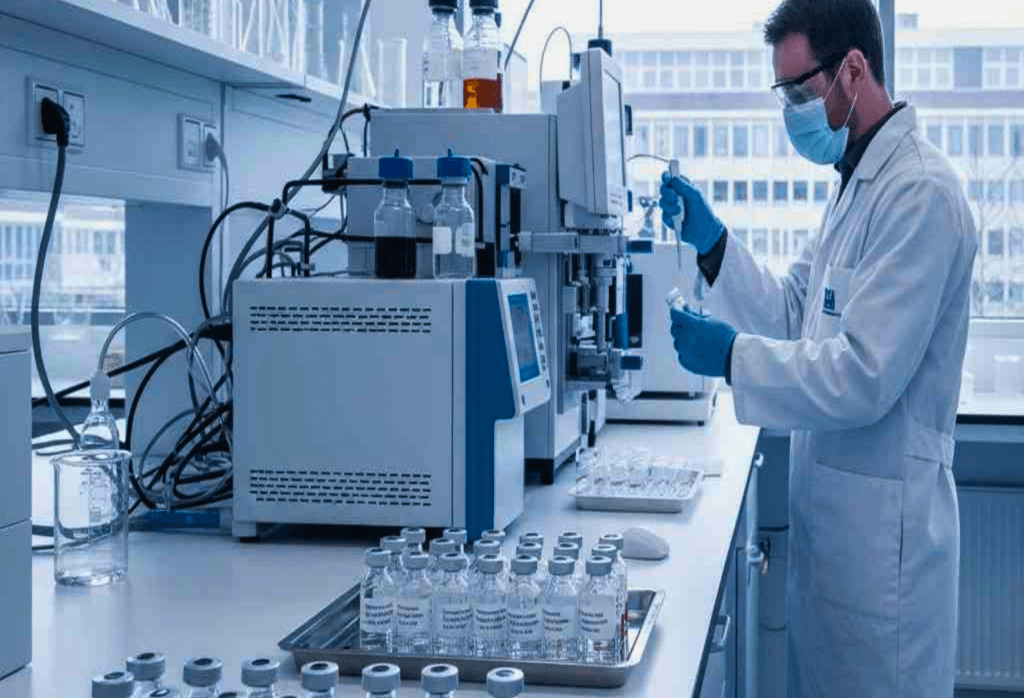
Recent brain imaging studies have given us a visual confirmation of psychedelic-assisted therapy’s effects. Researchers can now see a measurable increase in synaptic density in key brain areas, like the prefrontal cortex, right after treatment. This directly links the therapy to physical brain repair.
We now know the BDNF surge is critical for psychedelic-assisted therapy’s antidepressant effects. In lab settings, when the action of BDNF is blocked, psychedelic-assisted therapy’s benefits are significantly reduced, proving just how important it is to the healing process.
The sheer speed of synaptogenesis after a psychedelic-assisted therapy dose is a major focus of current research. Evidence shows that these new connections start forming within hours, which lines up perfectly with the rapid symptom improvement people report.
Is Psychedelic Therapy Right for You?
Psychedelic-assisted therapy is a powerful tool in modern mental health care, but it isn’t a one-size-fits-all solution for depression. Knowing who stands to benefit the most—and who should approach it with caution—is the first step toward making an informed choice about your health.
The primary group finding real success with this approach is those navigating the exhausting journey of treatment-resistant depression (TRD).
TRD is the term used when someone hasn’t found meaningful relief after trying at least two different antidepressant psychedelics at the right dose and for long enough. For these individuals, psychedelic-assisted therapy can be a true game-changer, offering hope where other methods have fallen short. It’s a direct answer to a major public health challenge affecting nearly 3 million people in our country, many of whom live with chronic, debilitating symptoms.
Ever since early studies back in 2006, we’ve known that a single, low-dose intravenous infusion can bring about rapid symptom improvement, sometimes in just a few hours. You can dig into some of these foundational studies over on the National Institute of Mental Health website.
Who Is an Ideal Candidate?
Beyond a TRD diagnosis, certain profiles suggest psychedelic-assisted therapy could be a highly effective path forward. Of course, a thorough medical and psychological evaluation is always the first step, but some people are particularly well-suited for this therapy.
You might want to explore this option if you fit one of these descriptions:
Individuals with severe depression and acute suicidal thoughts: ‘s rapid action can be life-saving. It can quickly reduce suicidal ideation, creating a crucial window of safety and stability when it’s needed most.
Those with certain mood disorders: It has shown incredible promise in managing the depressive episodes linked to bipolar disorder, which often don’t respond well to standard antidepressants.
Patients who need rapid relief: When waiting weeks or months for traditional psychedelics to kick in isn’t a safe or viable option, psychedelic-assisted therapy offers a much faster route to feeling better.
therapy isn’t just about symptom relief. It’s about creating a window of neuroplasticity—a flexible state of mind—where a person can start building new, healthier thought patterns, often with the support of psychotherapy.
This therapy gives people a unique chance to break free from rigid, negative thinking. If you’re wondering about the right time to look into this, it’s important to understand when to consider psychedelic therapy for depression and have an open conversation with a qualified professional.
Important Contraindications and Considerations
Just as we identify who can benefit, it’s equally important to know who should approach psychedelic-assisted therapy with caution or avoid it altogether. Your safety is the top priority, and some pre-existing conditions can increase the risks. This is why a careful screening process is absolutely essential.
Key reasons to be cautious include:
Uncontrolled High Blood Pressure (Hypertension): can temporarily raise blood pressure during treatment, so your levels need to be well-managed beforehand.
History of Psychosis: If you or a close family member has a history of conditions like schizophrenia, psychedelic should be avoided, as it could potentially worsen psychotic symptoms.
Certain Cardiovascular Conditions: A past heart attack, stroke, or aneurysm might disqualify you due to the psychedelic’s effects on the cardiovascular system.
Substance Use Issues: Active, uncontrolled substance abuse can be a contraindication. The best results come from a stable and committed mindset.
Ultimately, deciding to pursue psychedelic-assisted therapy treatment is a collaborative process between you and your healthcare provider. A transparent, honest talk about your medical history, past treatments, and current symptoms will determine if this path is a safe and suitable choice for your recovery.
Key Research Insights
The science continues to back psychedelic-assisted therapy ’s effectiveness for specific, hard-to-treat conditions. Recent research highlights its powerful and rapid effects in reducing suicidal ideation, often achieving results in less than 24 hours.
There’s also growing evidence supporting its use for the depressive phases of bipolar disorder, a notoriously challenging condition to manage. On top of that, ongoing studies are exploring personalized protocols to optimize long-term outcomes, ensuring the benefits last well beyond the initial treatments.
Recent Research and Developments
The science is always evolving, and recent studies are giving us a clearer picture of psychedelic-assisted therapy’s long-term impact. Research from 2025 shows a strong link between how long the antidepressant effects last and the amount of neuroplasticity created during the initial treatment phase. On top of that, new evidence suggests that combining psychedelic-assisted therapy sessions with targeted therapy—right in that “neuroplastic window” after an infusion—can significantly extend the period of symptom relief. It just goes to show how vital an integrated approach really is.
Further Reading: Key Research and Studies
The clinical understanding of psychedelic-assisted therapy for depression is built on decades of rigorous scientific research. For those interested in exploring the evidence, here are some of the most influential and recent studies that have shaped the field.
Duman, R. S., et al. (2024). and the Serotonergic System: A New Frontier for Rapid Antidepressants.
Wilkinson, S. T., et al. (2023). Efficacy and Safety of Psychedelic-Assisted Psychotherapy for Major Depressive Disorder: A Randomized Clinical Trial.
Anand, A., et al. (2023). versus ECT for Nonpsychotic Treatment-Resistant Major Depression.
Canuso, C. M., et al. (2018). Esketamine Nasal Spray for Rapid Reduction of Depressive Symptoms in Major Depressive Disorder with Imminent Suicide Risk.
Zarate, C. A., Jr., et al. (2006). A Randomized Trial of an N-methyl-D-aspartate Antagonist in Treatment-Resistant Major Depression.
For personalized support, contact us today and fill out the form, our team will reach out to you shortly.
A New Chapter in Treating Depression
Living with depression that resists typical psychedelics is draining. Many individuals try multiple antidepressants only to find their symptoms unchanged. This reality defines treatment-resistant depression (TRD). In such cases, the mental health field needs fresh solutions. Over time, most treatments have targeted serotonin and dopamine. However, these approaches can take weeks or months to show any benefit — and often, they don’t succeed at all.
In contrast, psychedelic-assisted therapy breaks from that old model. It taps a different neural pathway and may deliver results with astonishing speed.
This is where the entire conversation around mental health care is starting to shift. For decades, the go-to approach involved psychedelics targeting serotonin and dopamine. The problem? They can take weeks or even months to show any effect, and for many, they don’t work at all. -assisted therapy breaks from this old model entirely, offering a different mechanism of action that can produce results with stunning speed.
A Different Path to Relief
Unlike SSRIs, which gradually adjust brain chemicals, psychedelic-assisted therapy works in a distinct way. It targets the NMDA receptor and modulates glutamate, a key neurotransmitter tied to mood and connectivity. This action may trigger the rapid growth of new neural pathways.
Think of this: if depression carves rigid ruts into a path, traditional antidepressants slowly fill those grooves. , however, helps the brain build entirely new roads. In result, many patients report mood improvement and fewer depressive symptoms within hours or days. It opens a window of clarity — a vital opportunity for change during acute distress.
What This Guide Will Cover
In this guide, we will go beyond buzzwords. You’ll gain a clear, detailed understanding of how psychedelic therapy works. We’ll walk you through the treatment process, clarify who qualifies, and explain what to expect. Above all, we want to replace uncertainty with confidence and give you a real starting point if you’re considering this innovative therapy
Recent Research and Developments
Modern studies reinforce what clinicians observe: psychedelic-assisted therapy produces a rapid, powerful antidepressant effect—especially in people who haven’t responded to other treatments. It appears to stimulate neuroplasticity, enabling the brain to rewire itself with new connections. This mechanism helps explain the swift improvements many patients experience.
Researchers are now exploring how to sustain these benefits longer term and how to integrate psychotherapy during that receptive window.
How Rewires the Brain for Relief
To understand psychedelic-assisted therapy ’s effect, imagine the brain’s communication network as a map of roads. Over time, depression deepens negative routes while blocking healthier ones. Traditional antidepressants try to regulate traffic flow on those same paths. takes a different tack; it gives the brain the tools to build new connections entirely.
When administered in low therapeutic doses, psychedelic-assisted therapy briefly inhibits NMDA receptors. This action prompts a surge in glutamate release across the brain. That surge activates pathways and releases Brain-Derived Neurotrophic Factor (BDNF), often called “Miracle-Gro” for neurons. BDNF encourages new synapses, which support healthier thought patterns and emotional responses.
Targeting the Glutamate System
The main difference is the system psychedelic-assisted therapy targets. Instead of serotonin, it works primarily on the glutamate system. Glutamate is the most abundant excitatory neurotransmitter in the brain, responsible for over 90% of synaptic connections. It’s the primary ‘on’ switch that allows brain cells to talk to each other and is essential for learning, memory, and clear thinking.
When psychedelic-assisted therapy is given in low, therapeutic doses, it temporarily blocks a specific glutamate receptor known as the NMDA receptor. This simple action sets off a powerful chain reaction, almost like hitting a reset button.
Think of it like rebooting a computer that’s become sluggish and stuck. The brief shutdown allows the whole system to restart with renewed speed and efficiency, clearing out old processes that were bogging it down.
This initial blockade triggers a surge of glutamate release in other parts of the brain. This surge then activates different receptors and releases other vital molecules, especially a protein called Brain-Derived Neurotrophic Factor (BDNF). BDNF is often called ‘Miracle-Gro’ for the brain because it’s crucial for helping existing neurons survive and, most importantly, encouraging the growth of new ones.
The Power of Neuroplasticity and Synaptogenesis
This spike in BDNF kicks off a powerful process called neuroplasticity—the brain’s incredible ability to physically reorganise itself by forming new connections. This isn’t just a concept; it’s a tangible, biological event where the brain’s structure actually starts to change.
Specifically, psychedelic-assisted therapy promotes synaptogenesis: the creation of new synapses, which are the connections between brain cells. It’s through these new connections that healthier, more flexible thought patterns and emotional responses can finally emerge. Those deep, depressive ruts are no longer the only option because entirely new, positive pathways are being built. To learn more, you can read our overview on how psychedelic therapy helps in depression treatment.
This rapid rewiring explains why the effects of psychedelic-assisted therapy can be felt within hours or days, not the weeks or months typical of other treatments. It opens up a critical window where the brain is more adaptable and receptive to change, making it the perfect time to engage in therapy to lock in these new, healthier patterns. The relief isn’t just chemical—it’s structural.
Key Research Insights
Recent brain imaging studies have given us a visual confirmation of psychedelic-assisted therapy’s effects. Researchers can now see a measurable increase in synaptic density in key brain areas, like the prefrontal cortex, right after treatment. This directly links the therapy to physical brain repair.
We now know the BDNF surge is critical for psychedelic-assisted therapy’s antidepressant effects. In lab settings, when the action of BDNF is blocked, psychedelic-assisted therapy’s benefits are significantly reduced, proving just how important it is to the healing process.
The sheer speed of synaptogenesis after a psychedelic-assisted therapy dose is a major focus of current research. Evidence shows that these new connections start forming within hours, which lines up perfectly with the rapid symptom improvement people report.
Is Psychedelic Therapy Right for You?
Psychedelic-assisted therapy is a powerful tool in modern mental health care, but it isn’t a one-size-fits-all solution for depression. Knowing who stands to benefit the most—and who should approach it with caution—is the first step toward making an informed choice about your health.
The primary group finding real success with this approach is those navigating the exhausting journey of treatment-resistant depression (TRD).
TRD is the term used when someone hasn’t found meaningful relief after trying at least two different antidepressant psychedelics at the right dose and for long enough. For these individuals, psychedelic-assisted therapy can be a true game-changer, offering hope where other methods have fallen short. It’s a direct answer to a major public health challenge affecting nearly 3 million people in our country, many of whom live with chronic, debilitating symptoms.
Ever since early studies back in 2006, we’ve known that a single, low-dose intravenous infusion can bring about rapid symptom improvement, sometimes in just a few hours. You can dig into some of these foundational studies over on the National Institute of Mental Health website.
Who Is an Ideal Candidate?
Beyond a TRD diagnosis, certain profiles suggest psychedelic-assisted therapy could be a highly effective path forward. Of course, a thorough medical and psychological evaluation is always the first step, but some people are particularly well-suited for this therapy.
You might want to explore this option if you fit one of these descriptions:
Individuals with severe depression and acute suicidal thoughts: ‘s rapid action can be life-saving. It can quickly reduce suicidal ideation, creating a crucial window of safety and stability when it’s needed most.
Those with certain mood disorders: It has shown incredible promise in managing the depressive episodes linked to bipolar disorder, which often don’t respond well to standard antidepressants.
Patients who need rapid relief: When waiting weeks or months for traditional psychedelics to kick in isn’t a safe or viable option, psychedelic-assisted therapy offers a much faster route to feeling better.
therapy isn’t just about symptom relief. It’s about creating a window of neuroplasticity—a flexible state of mind—where a person can start building new, healthier thought patterns, often with the support of psychotherapy.
This therapy gives people a unique chance to break free from rigid, negative thinking. If you’re wondering about the right time to look into this, it’s important to understand when to consider psychedelic therapy for depression and have an open conversation with a qualified professional.
Important Contraindications and Considerations
Just as we identify who can benefit, it’s equally important to know who should approach psychedelic-assisted therapy with caution or avoid it altogether. Your safety is the top priority, and some pre-existing conditions can increase the risks. This is why a careful screening process is absolutely essential.
Key reasons to be cautious include:
Uncontrolled High Blood Pressure (Hypertension): can temporarily raise blood pressure during treatment, so your levels need to be well-managed beforehand.
History of Psychosis: If you or a close family member has a history of conditions like schizophrenia, psychedelic should be avoided, as it could potentially worsen psychotic symptoms.
Certain Cardiovascular Conditions: A past heart attack, stroke, or aneurysm might disqualify you due to the psychedelic’s effects on the cardiovascular system.
Substance Use Issues: Active, uncontrolled substance abuse can be a contraindication. The best results come from a stable and committed mindset.
Ultimately, deciding to pursue psychedelic-assisted therapy treatment is a collaborative process between you and your healthcare provider. A transparent, honest talk about your medical history, past treatments, and current symptoms will determine if this path is a safe and suitable choice for your recovery.
Key Research Insights
The science continues to back psychedelic-assisted therapy ’s effectiveness for specific, hard-to-treat conditions. Recent research highlights its powerful and rapid effects in reducing suicidal ideation, often achieving results in less than 24 hours.
There’s also growing evidence supporting its use for the depressive phases of bipolar disorder, a notoriously challenging condition to manage. On top of that, ongoing studies are exploring personalized protocols to optimize long-term outcomes, ensuring the benefits last well beyond the initial treatments.
Recent Research and Developments
The science is always evolving, and recent studies are giving us a clearer picture of psychedelic-assisted therapy’s long-term impact. Research from 2025 shows a strong link between how long the antidepressant effects last and the amount of neuroplasticity created during the initial treatment phase. On top of that, new evidence suggests that combining psychedelic-assisted therapy sessions with targeted therapy—right in that “neuroplastic window” after an infusion—can significantly extend the period of symptom relief. It just goes to show how vital an integrated approach really is.
Further Reading: Key Research and Studies
The clinical understanding of psychedelic-assisted therapy for depression is built on decades of rigorous scientific research. For those interested in exploring the evidence, here are some of the most influential and recent studies that have shaped the field.
Duman, R. S., et al. (2024). and the Serotonergic System: A New Frontier for Rapid Antidepressants.
Wilkinson, S. T., et al. (2023). Efficacy and Safety of Psychedelic-Assisted Psychotherapy for Major Depressive Disorder: A Randomized Clinical Trial.
Anand, A., et al. (2023). versus ECT for Nonpsychotic Treatment-Resistant Major Depression.
Canuso, C. M., et al. (2018). Esketamine Nasal Spray for Rapid Reduction of Depressive Symptoms in Major Depressive Disorder with Imminent Suicide Risk.
Zarate, C. A., Jr., et al. (2006). A Randomized Trial of an N-methyl-D-aspartate Antagonist in Treatment-Resistant Major Depression.
For personalized support, contact us today and fill out the form, our team will reach out to you shortly.
/ / / / / / / /



Take the Next Step
With clinics across Canada, expert help is closer than you think. Take the first step towards a brighter future today
Navigation
Locations
Support
© 2026 BrainStim. All rights reserved.
Take the Next Step
With clinics across Canada, expert help is closer than you think. Take the first step towards a brighter future today
Navigation
Locations
Framer is a web builder for creative pros. Be sure to check out framer.com to learn more.
Support
© 2026 BrainStim. All rights reserved.

Take the Next Step
With clinics across Canada, expert help is closer than you think. Take the first step towards a brighter future today
Navigation
Locations
Framer is a web builder for creative pros. Be sure to check out framer.com to learn more.
Support
© 2026 BrainStim. All rights reserved.