
When to Consider Psychedelic-assisted Therapy for Depression
Understanding Psychedelic-assisted Therapy
Originally developed as an anaesthetic, psychedelic-assisted therapy has gained attention for its rapid antidepressant effects. Administered via intravenous infusion or as a nasal spray, when to Consider psychedelic assisted therapy for Depression targets the brain’s glutamate system, differing from traditional serotonin-based antidepressants. This unique mechanism allows for quicker symptom relief, often within hours.
When Is Psychedelic-assisted Therapy Worth Considering?

1. Persistent Depression Despite Multiple Treatments
If you’ve tried two or more antidepressants without significant improvement, you might be experiencing TRD. In such cases, psychedelics for depression have shown to reduce symptoms more rapidly than traditional approaches, offering new hope.
2. Presence of Suicidal Thoughts
One of the most notable effects of psychedelic-assisted therapy is its rapid reduction in suicidal ideation. For individuals in crisis, it can act as a critical intervention, stabilizing mood swiftly and reducing immediate risk.
3. Impaired Daily Functioning
When depression severely impacts your ability to function—affecting relationships, work, or self-care—psychedelic’s fast-acting properties can help restore daily functioning more quickly than conventional treatments.
4. Intolerance to Traditional Antidepressants
Some patients discontinue antidepressants due to side effects like weight gain, sexual dysfunction, or emotional numbness. tends to have a more favorable side effect profile, with most reactions being short-lived and well-tolerated in a clinical setting.
5. Openness to Innovative Therapies
as depression treatment is often combined with psychotherapy to enhance its effectiveness. This integrative approach, known as Psychedelic-Assisted Psychotherapy, helps patients process emotional insights gained during treatment sessions into long-term healing strategies.
What to Expect During Treatment?
Treatment typically occurs in a medically supervised environment. Infusion sessions last between 40 to 60 minutes, during which some individuals may experience dissociative or altered states. These effects are temporary and often lead to valuable psychological insight. Follow-up therapy or integration sessions are often recommended to reinforce the benefits and track long-term outcomes.
The Science Behind ’s Efficacy
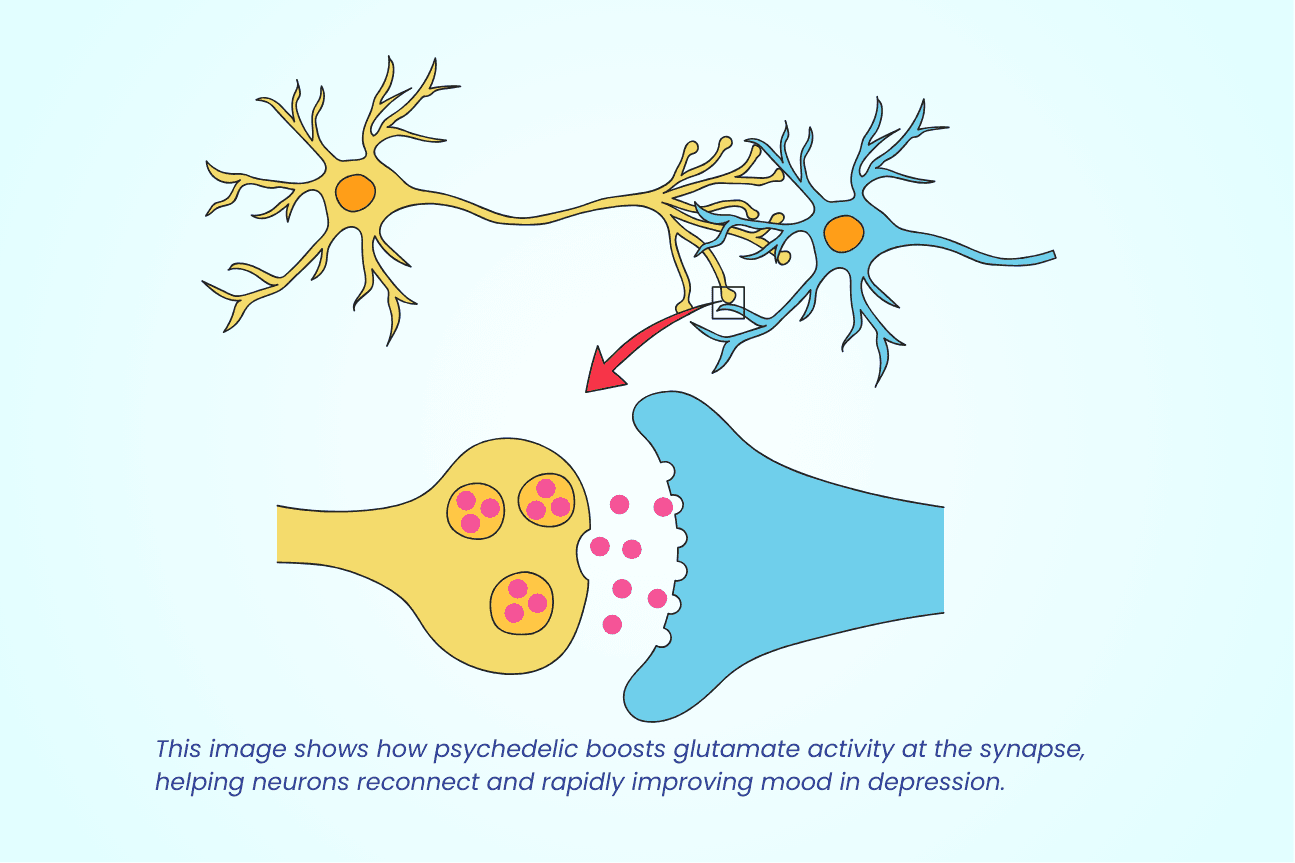
works by modulating the NMDA receptors in the brain, part of the glutamate system responsible for mood regulation and neural plasticity. This unique mechanism enhances synaptic connections, helping the brain “rewire” itself away from patterns associated with depression. Because it acts differently than serotonin-based drugs, psychedelic for treating depression can succeed where other psychedelics have failed.
Safety and Medical Supervision
When administered in a clinical setting by trained professionals, psychedelic-assisted therapy is considered safe and effective. Common side effects include temporary dizziness, nausea, or mild disorientation. Pre-treatment assessments are crucial to rule out any contraindications and tailor the dosage appropriately.
Accessing Psychedelic-assisted Therapy in Canada
In recent years, psychedelics for depression have become more accessible through specialized clinics across Canada. These centers follow strict clinical protocols and provide safe, medically supervised treatments tailored to each patient’s needs. If you’re searching for this treatment option in British Columbia, several certified clinics offer psychedelic for depression therapy under the guidance of mental health professionals.
Conclusion
therapy is not a first-line treatment but represents a powerful tool in the evolving landscape of mental health care—especially for those facing the most stubborn cases of depression. When traditional methods fall short, psychedelic offers an opportunity for fast relief, deeper insight, and meaningful recovery. If you or a loved one is struggling with major depressive disorder and conventional options haven’t worked, consider speaking to a licensed mental health provider about whether psychedelic for treating depression is right for you. With careful evaluation and a supportive care team, this innovative treatment may offer the breakthrough you’ve been waiting for.
/ / / / / / / /